
Week 40: A Quiet Opening Log, A Loud Dragon Ball Ceiling
Three cards left the pools this week for €6.25 total — while a single Dragon Ball alternate art sits at €9,500 in the catalogue. Here's how to read both numbers honestly, plus what the new Pokémon Starter pack's 101% EV really means.
Week 40 was a quiet week in the openings log and a loud week in the market data. Three cards left the sealed pools, worth €6.25 together. In the same seven days, the Dragon Ball shelf of our catalogue had a single card marked at €9,500. Both numbers are true, both come from the same platform, and the distance between them is exactly what this guide is about.
The honest version of a quiet week
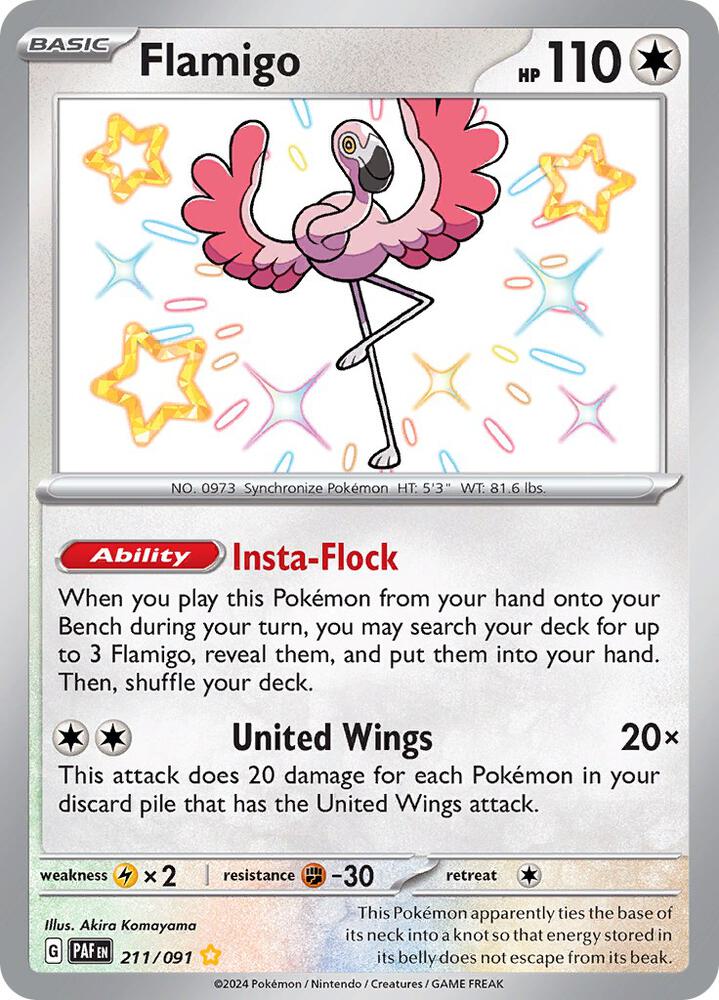
Some weeks the openings log looks like a highlight reel. This one didn't. Three cards came out across all 49 live packs, and the strongest of them was a raw Near Mint Flamigo from Paldean Fates at €2.65. We publish that with the same energy we'd publish a four-figure slab, because a shop that only shows you the good weeks is teaching you nothing about what opening actually looks like over time.
 Flamigo
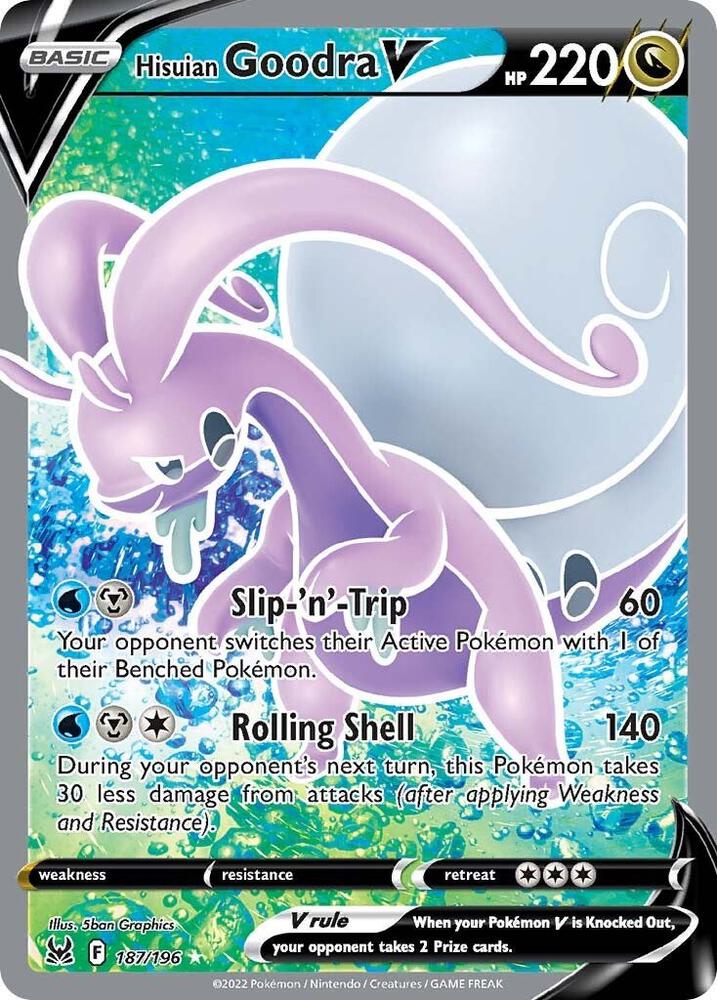 Hisuian Goodra V
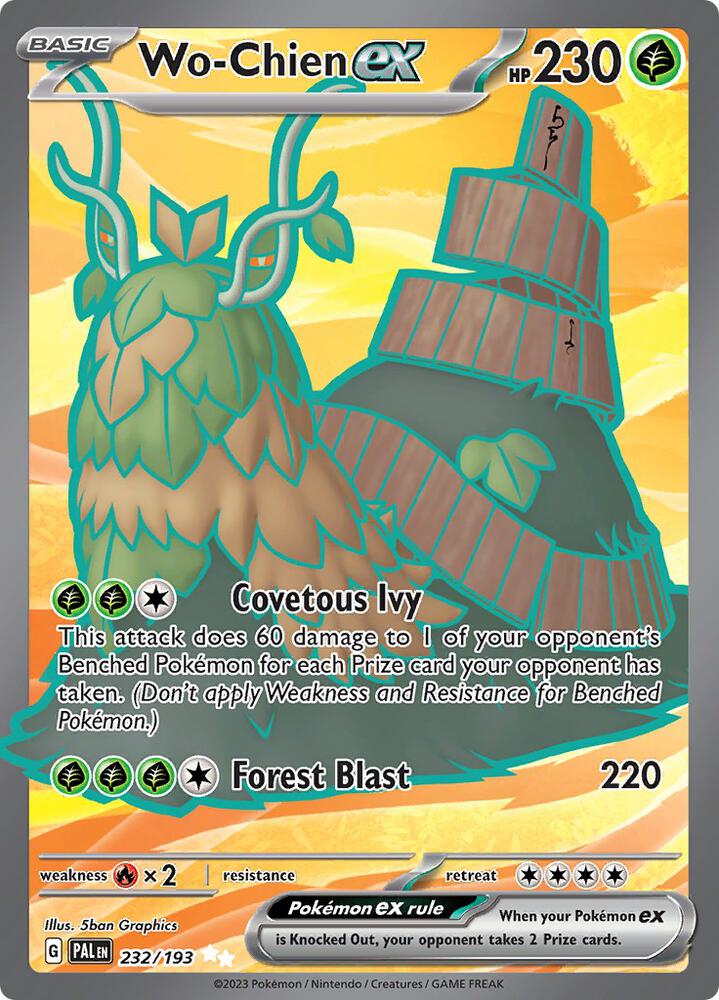 Wo-Chien ex
All three are raw modern Pokémon in Near Mint condition: Flamigo from Paldean Fates, Hisuian Goodra V from Lost Origin, and Wo-Chien ex from Paldea Evolved. None of them is going to anchor a collection. What they do is fill the low end of a pool that also contains cards worth thousands — and every pool's low end is where most openings land. That's arithmetic, not pessimism.
Why we publish the small weeks too
Every pack on TCGBoxes has its full pool published and sealed before a single opening happens. Once it's sealed, nothing moves: not the contents, not the odds, not the order. After your opening you get a draw certificate you can recompute yourself, matching your result back to the sealed pool. That system only means something if we also show you the €2.65 Flamigo weeks. Transparency you only apply to good news is marketing.
Dragon Ball: the ten cards setting the ceiling
Our focus game this week is Dragon Ball, and its top end is one of the steepest in the catalogue right now. Here are the highest-marked cards in the Dragon Ball section, straight from current market data.
| # | Card | Market |
|---|---|---|
| 1 | SS Broly, Vigor (V.2 – Alternate Art) · History of Z #084 | €9,500.00 |
| 2 | Bardock, Destiny-Changing Willpower (V.2 – Alternate Art) · History of Z #095 | €3,499.00 |
| 3 | Dabura, Darkness Perfected · Winner Promos BT9-071 | €3,223.33 |
| 4 | Vegeta (ST01-071) [Fusion World] (V.3 – God Rare) | €2,999.00 |
| 5 | Son Goku (FP-001) · Special Tournament Promos [Fusion World] | €2,937.72 |
| 6 | Son Goku, Unlimited Potential (V.2 – Alternate Art) · History of Z #019 | €2,850.00 |
| 7 | SS2 Son Gohan, Sadness and Rage (V.2 – Alternate Art) · History of Z #059 | €2,800.00 |
A few of those entries exist as more than one catalogued copy, which is why the raw top-ten export repeats names — Bardock, Dabura and Son Goku each appear twice. That's a detail worth knowing when you scan any "top 10" list: you're often looking at copies, not distinct cards.

What the table actually teaches
- History of Z is carrying the set. Four of the seven distinct cards above come from it, all V.2 Alternate Arts. When one set owns the top of a game, that's where collector attention — and volatility — concentrates.
- Promos punch above their print run. Dabura from Winner Promos and Son Goku FP-001 from Special Tournament Promos both clear €2,900 without being chase pulls from a retail set. Limited-distribution cards behave differently from set chases.
- The drop-off after #1 is brutal. €9,500 to €3,499 is a 63% fall between first and second place. A single card can distort your sense of what a game "is worth".
The movers list tells a different story
Move away from Dragon Ball and this week's biggest market movements sit almost entirely in graded Japanese Pokémon and one very old English card:
- Lugia (Aquapolis) — €4,121.50
- 2002 Pokémon Japanese #012 Wartortle CGC 8.5 — €368.00
- 2021 Jet-Black Spirit Zeraora V Full Art PSA 10 — €276.00
- 2025 One Piece Premium Card Collection Best Selection Vol.4 Yamato PSA 10 — €110.40
- 2023 SV-P Promo #062 Eevee PSA 9 — €105.75
- 2024 SV5K Wild Force Art Rare #073 Snom PSA 10 — €59.80
The pattern is consistent: graded, Japanese, and often promotional. Aquapolis Lugia is the outlier and the reminder — early 2000s English holos in strong condition keep their own gravity regardless of what's trending. If you're building a long-hold shelf rather than chasing this month's art rare, that's the lane worth studying.
Reading the new Pokémon Starter pack without fooling yourself
The Pokémon Starter pack joined the line-up this week, bringing us to 49 live packs across Pokémon, Magic, One Piece, Lorcana, Dragon Ball, Star Wars and Mystery. Its published expected value is 101%, meaning the average market value of everything in the sealed pool is roughly 101% of the pack price.
Here's the part people skip. Expected value is an average across the whole pool, and pools with a high top end are lopsided: the mean is dragged upward by a handful of expensive cards, so the typical opening lands below the EV figure, not at it. A 101% EV does not mean each opening returns 101%. It means that if every single card in the pool were distributed across every opening, that's where you'd land. Read it as a description of the pool's construction, not a forecast for your next card.
- Read the pool before you open. It's published and sealed. Look at the bottom half, not just the top three cards.
- Judge a pack by its floor. The cheapest outcomes tell you far more about your typical week than the ceiling does.
- Check your certificate. Recompute it, match it against the sealed pool, and get comfortable with how the process works.
Vault, store credit, or your doorstep
Everything you open sits in an insured vault under your name. From there you have two straightforward options at any time: have the card shipped to you, or sell it back to the shop for euro store credit. That's the whole model — real cards, real storage, settlement in euros. Nothing else moving in the background.
With 357,944 cards in the catalogue and 49 packs live, the useful skill isn't picking the flashiest pack. It's knowing which slice of the market you actually want on your shelf — History of Z alternate arts, graded Japanese promos, or early English holos — and letting that decide where your credit goes.
Rip a pack yourself →See you in week 41. We'll publish the log whatever it looks like.